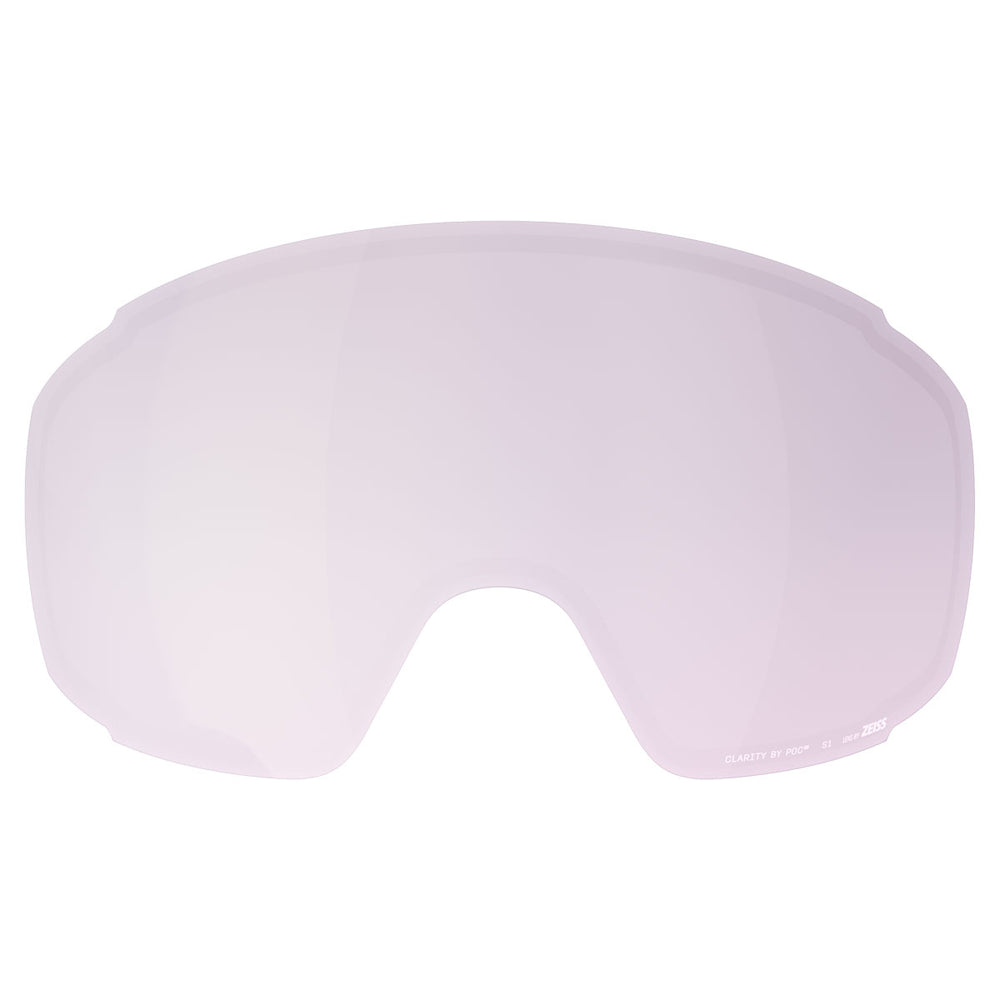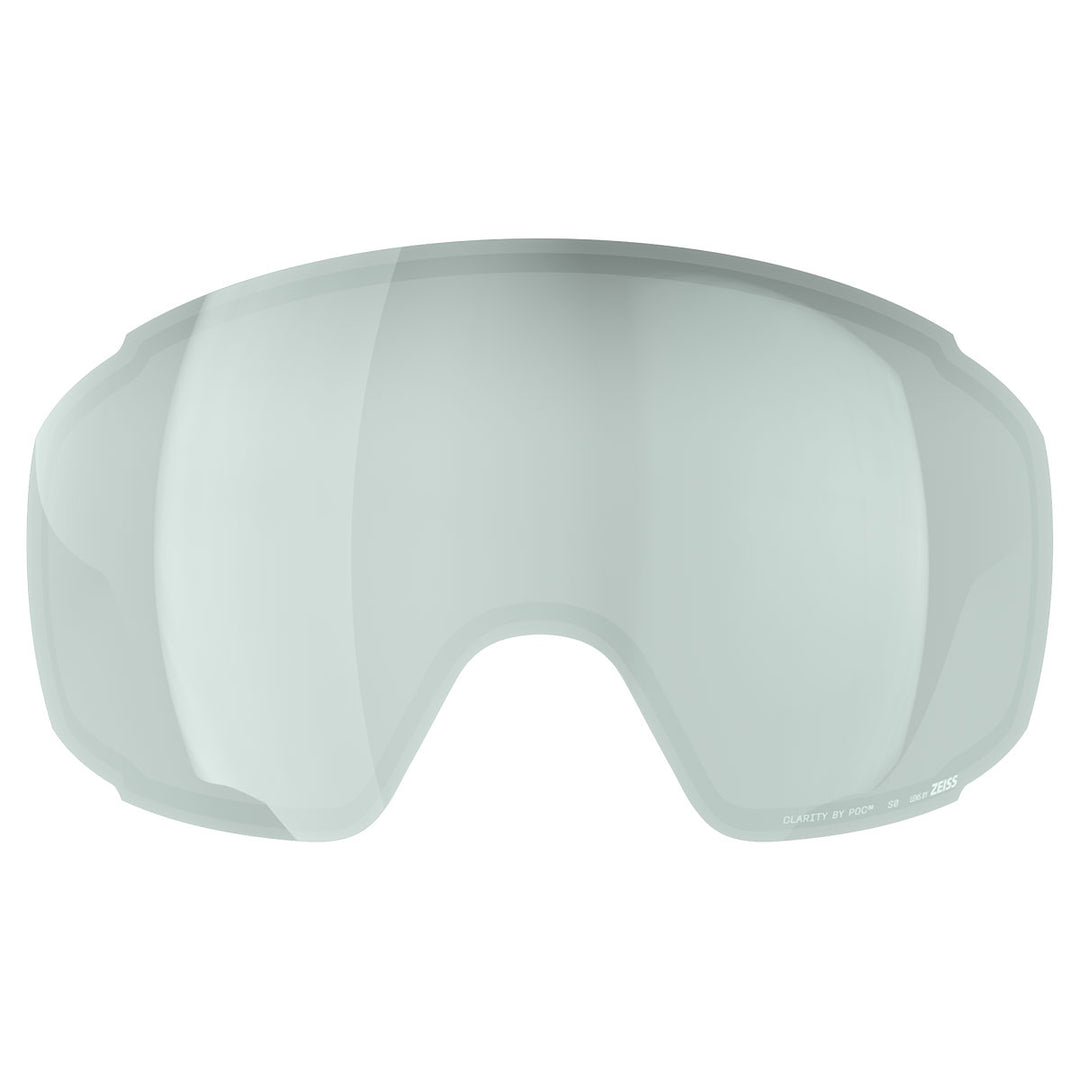
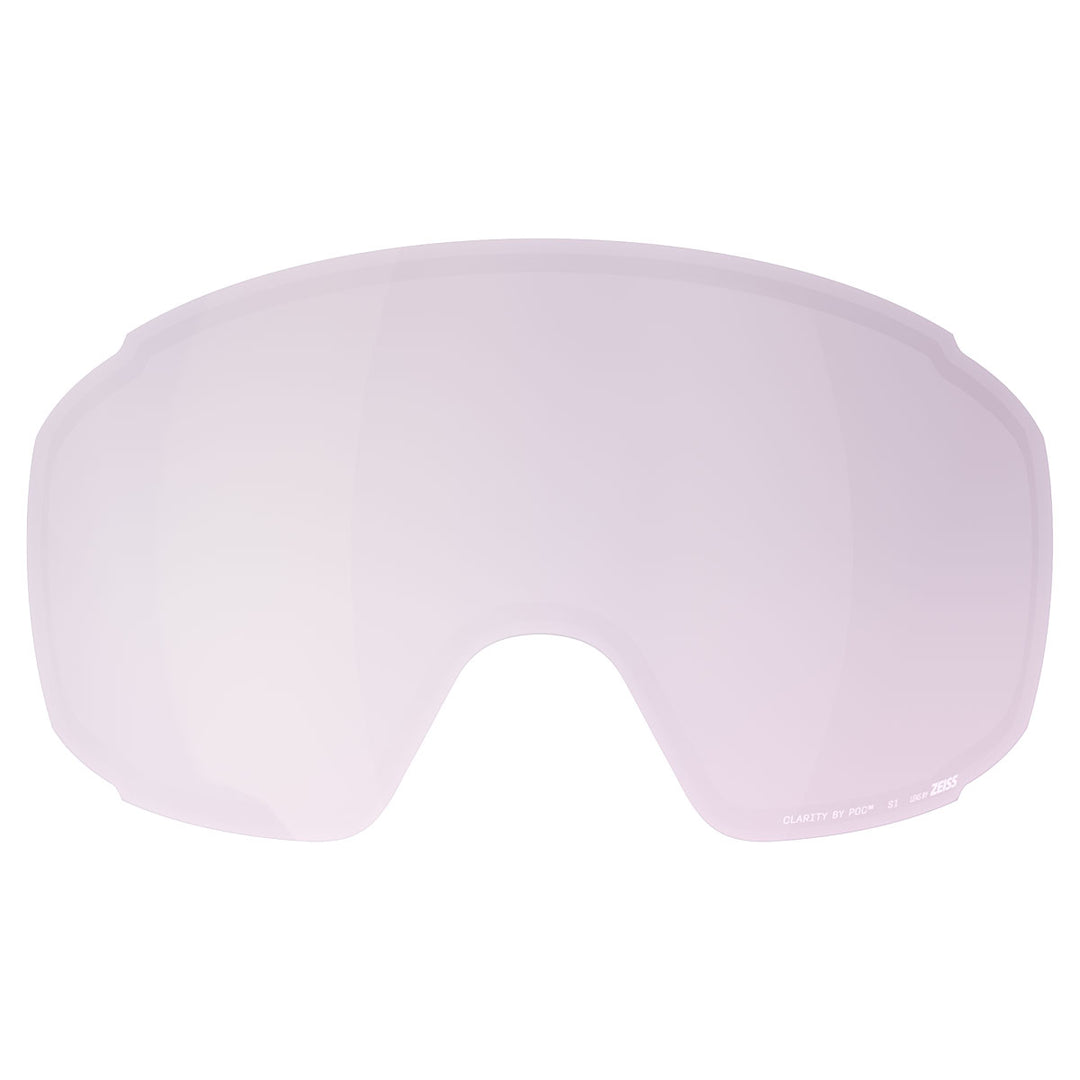
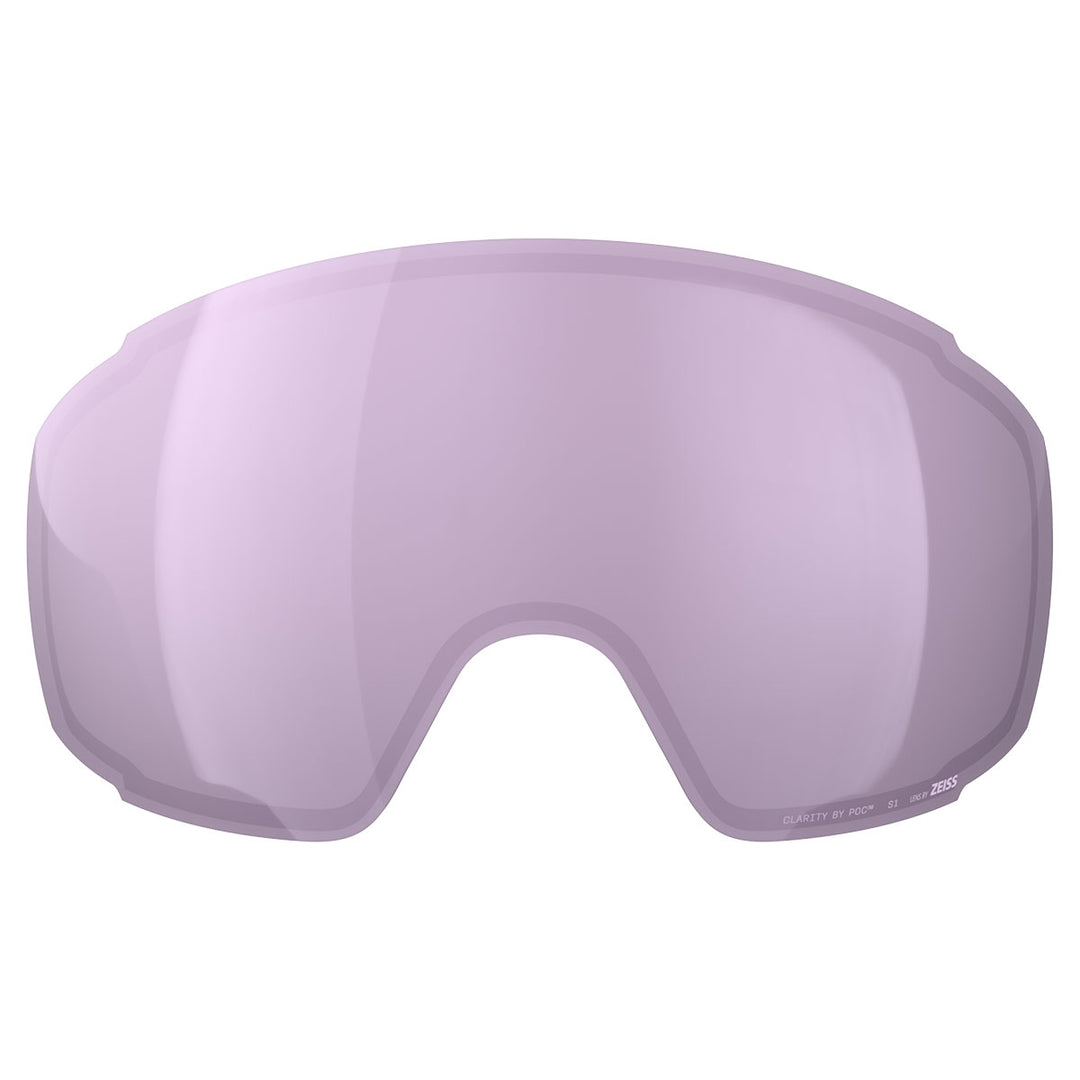
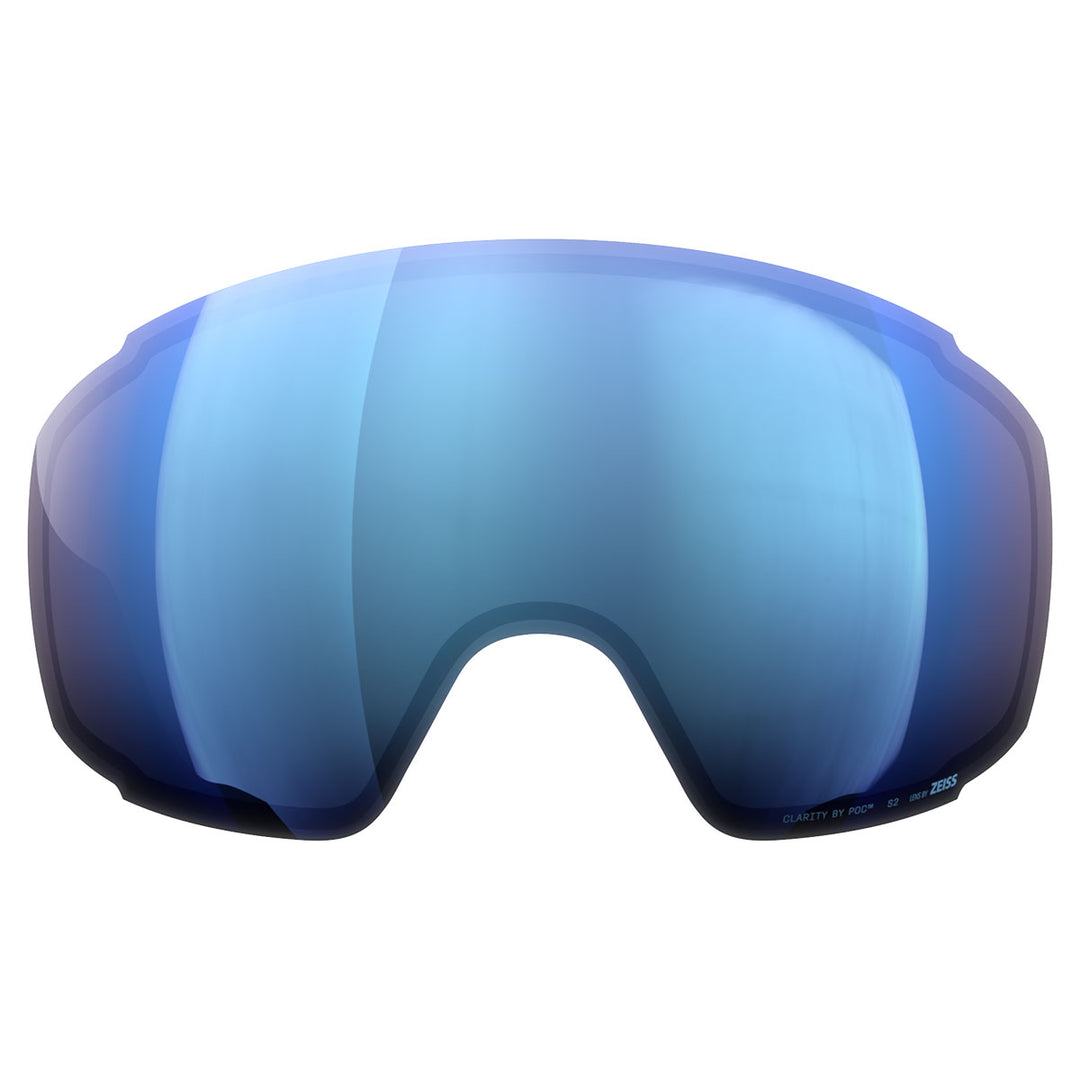
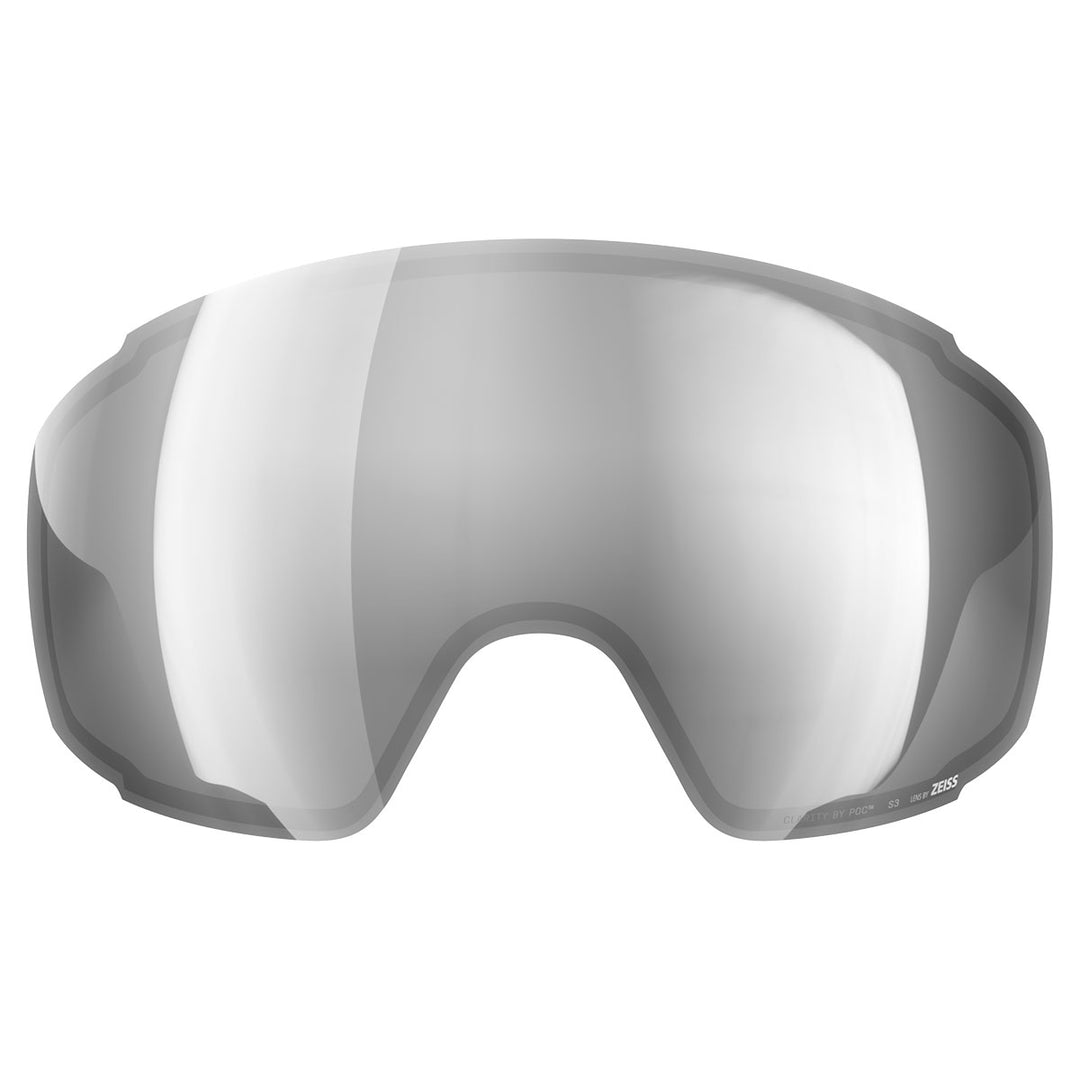


POC Zonula Goggle Lenses
26455D
- Low stock - 6 items left
- Backordered, shipping soon
What is the best goggle lens color? It is mostly personal preference, but here are a few attributes to certain lens tints that can help you make the best choice for your eyes and skiing conditions.
General Lens Color Guide
*Blue light limits the eye's ability to focus and creates blurriness, especially in snowy environments. Many lenses are designed to reduce the amount of blue light that reaches the eye.
| Lens Color | Benefits |
|---|---|
| Yellow/Orange | Provides greater clarity in fog and low-light, high contrast and depth perception by blocking blue light. |
| Pink/Red | Improves depth perception, provides the best contrast, reduces eye strain (alters perceived color). |
| Blue/Purple | Reduces glare, helps define contours and color perception. |
| Green | Good all purpose tint, even color perception, dims glare while brightening shadows, improves contrast in low-light. |
| Brown/Amber/Bronze | Ideal in variable conditions, enhances contrast and depth perception, cuts the haze for crisp vision. |
| Gray/Black | Reduces eye fatigue, provides true color perception while minimizing glare in bright-light conditions, block the brightest rays. |
| Mirror Coatings | Greatly reduce glare - the base tint lends the greatest visual benefits to the lens while the mirror tint is for glare protection. Blue mirror specifically reflects away blue light, increasing visual acuity while minimizing glare. |
Lens Categories
| Category | VLT Range | Tint | Conditions |
|---|---|---|---|
| 0 | 80-100% | None or Very Light Tint | Very low light or night skiing |
| 1 | 46-79% | Light Tint | Low light or overcast days |
| 2 | 18-45% | Medium Tint | Effective in average sunlight conditions |
| 3 | 8-17% | Dark Tint | Perfect for most skiing conditions and provide excellent protection from the sun |
| 4 | 3-8% | Very Dark Tint | Only necessary in extremely bright conditions, like hiking glaciers or high altitudes |
VLT - Visible Light Transmission
VLT is a measurement that specifies the percentage of light coming through the lens and reaching your eyes. A totally clear lens for dark conditions typically have around 90% VLT and a very dark colored lens with mirror for sunny conditions may have down to 10% VLT. Most all round lenses will be found between 30 to 60%.
POC Clarity lenses are tuned for different light conditions, skiing environments, and levels of visual intensity. Choosing the right lens involves more than matching a tint to the weather. Consider the Clarity intensity level, Visible Light Transmission (VLT), lens category, and expected light conditions to find the best option for training, racing, or everyday skiing.
This guide explains POC Clarity intensity levels, lens options, lens shapes, and construction so you can better understand how each lens is designed to perform.
POC Clarity Intensity Levels
POC tunes Clarity lenses at different intensity levels to support specific skiing and racing needs. The intensity level describes how strongly the lens emphasizes contrast and visual detail.
- Universal: Tuned for balanced visual comfort throughout a full day of skiing.
- Intense: Increases visual detail to help skiers make decisions about line choice and speed.
- Highly Intense: Provides POC's strongest contrast emphasis, helping racers read snow and terrain at race speeds.
- POCito: Designed specifically to provide comfortable vision for young, developing eyes.
POC Clarity Lens Options
| Lens | Intensity | Category | VLT | Best Conditions |
|---|---|---|---|---|
| Clear / No Mirror | Universal | CAT 0 | 87% | Very low light and night skiing |
| Artificial Light | Highly Intense | CAT 1 | 73% | Artificial light, night racing and very low light |
| Cloudy Violet | Highly Intense | CAT 1 | 53% | Cloudy, overcast and low-light conditions |
| Partly Sunny Blue | Highly Intense | CAT 2 | 20% | Partly sunny and variable conditions |
| Sunny Gold | Intense | CAT 3 | 13% | Sunny and bright conditions |
| Sunny Silver | Highly Intense | CAT 3 | 10% | Sunny and bright conditions |
Understanding VLT
Visible Light Transmission (VLT) is the percentage of visible light that passes through a goggle lens. Higher VLT lenses allow more light through and are better suited to darker conditions. Lower VLT lenses reduce incoming light and are better suited to brighter conditions.
- Higher VLT: More light reaches the eye for low-light, overcast, night, or artificial-light conditions.
- Lower VLT: Less light reaches the eye for bright and sunny conditions.
- Lens Category: Provides another way to classify how much light a lens transmits, from CAT 0 for very high transmission to CAT 3 for bright conditions.
POC Goggle Lens Shapes
POC uses different lens geometries to balance goggle profile, field of view, optical comfort, and fog management. The lens shape is built into the goggle design and is not interchangeable between models with different frame geometries.
Cylindrical Lens
A cylindrical lens curves along the horizontal axis while remaining relatively flat vertically. This allows for a lower-profile goggle design while still supporting a very wide field of view.
Toric & Spherical Lens
Toric and spherical lenses curve both horizontally and vertically. The larger lens surface supports peripheral vision in multiple directions, while the shape more closely follows the eye and maintains a more uniform distance between the eye and lens to help minimize optical distortion. The additional space between the lens and eye also supports airflow and fog management.
POC Goggle Lens Construction
POC goggle lenses use multiple functional layers rather than relying on the visible mirror finish alone. These layers work together to control glare, improve durability, help resist fogging, and protect the lens surface.
Mirror Finish
The mirror finish reflects light away from the eye to help reduce glare. Different mirror tints serve a functional purpose and are not used only for appearance.
Hydrophobic & Oleophobic Treatment
Hydrophobic and oleophobic treatments, including POC's Ri-Pel™, help keep water, dirt, sweat, salt, oil, and other contaminants from adhering to the lens surface, making the lens easier to keep clean.
Anti-Scratch & Anti-Reflection Treatments
Lens surfaces may include anti-scratch and anti-reflection treatments. Anti-scratch coatings help protect the lens surface from damage, while anti-reflection treatments help control unwanted reflections and glare.
Double-Layer Lens Construction
POC goggles use a double-layer lens construction to help minimize fogging and provide additional eye protection. The 1.8 mm outer lens also increases protection against penetration.
Anti-Fog Treatment
Anti-fog treatments are used within the double-layer construction to help reduce condensation and maintain clear vision as temperature and activity levels change.
Clarity Night Vision
POC Clarity Night Vision lenses use additional anti-reflective coating layers to reduce glare from artificial floodlights, helping racers maintain visual focus during night training and competition.
Lens Layer Overview
- Hydrophobic / Oleophobic Treatment
- Mirror
- Anti-Scratch Coating
- Outer Lens
- Anti-Scratch Coating
- Anti-Reflection Coating
- Anti-Fog Treatment
- Inner Lens
- Anti-Fog Treatment