

26730
RACE PLACE has been authorized to offer special RACER PRICING on current season RACE SKIS, BOOTS and BINDINGS to all ski racers actively participating in USSA, FIS, College, High School, Nastar or Club Events.
**Discounted pricing is restricted to skis, boot and bindings.**
US Mainland Ground - $20 Flat Shipping Rate (per pair)
Express & International Calculated at Checkout
SHIPS SEPARATELY
Choosing the correct ski binding DIN range is an important part of building a safe and reliable race setup. DIN (release value) determines how much force is required for your bindings to release during a fall. The correct setting balances retention and safety, helping you stay connected to your skis while reducing the risk of injury.
DIN is the standardized release value used to adjust alpine ski bindings. A higher DIN requires more force for the binding to release, while a lower DIN releases more easily. Proper adjustment helps balance ski retention during aggressive skiing with reliable release during a fall.
DIN settings are calculated using the international ISO 11088 standard and are not based on weight alone.
A certified ski technician considers several factors when determining your binding settings.
| Skier Type | Description |
|---|---|
| Type I | Beginner or cautious skier who prefers lower release values. |
| Type II | Intermediate skier using moderate release settings. |
| Type III | Advanced, expert, or aggressive skier who requires higher retention. |
These ranges are intended to help you select the appropriate binding model. They do not represent your actual DIN setting.
| Skier Category | Typical DIN Range |
|---|---|
| Junior Racers | 2–10 |
| U16 & Lighter Racers | 6–14 |
| Masters & Strong Adult Racers | 8–16 |
| Elite & Speed Event Athletes | 14–20+ |
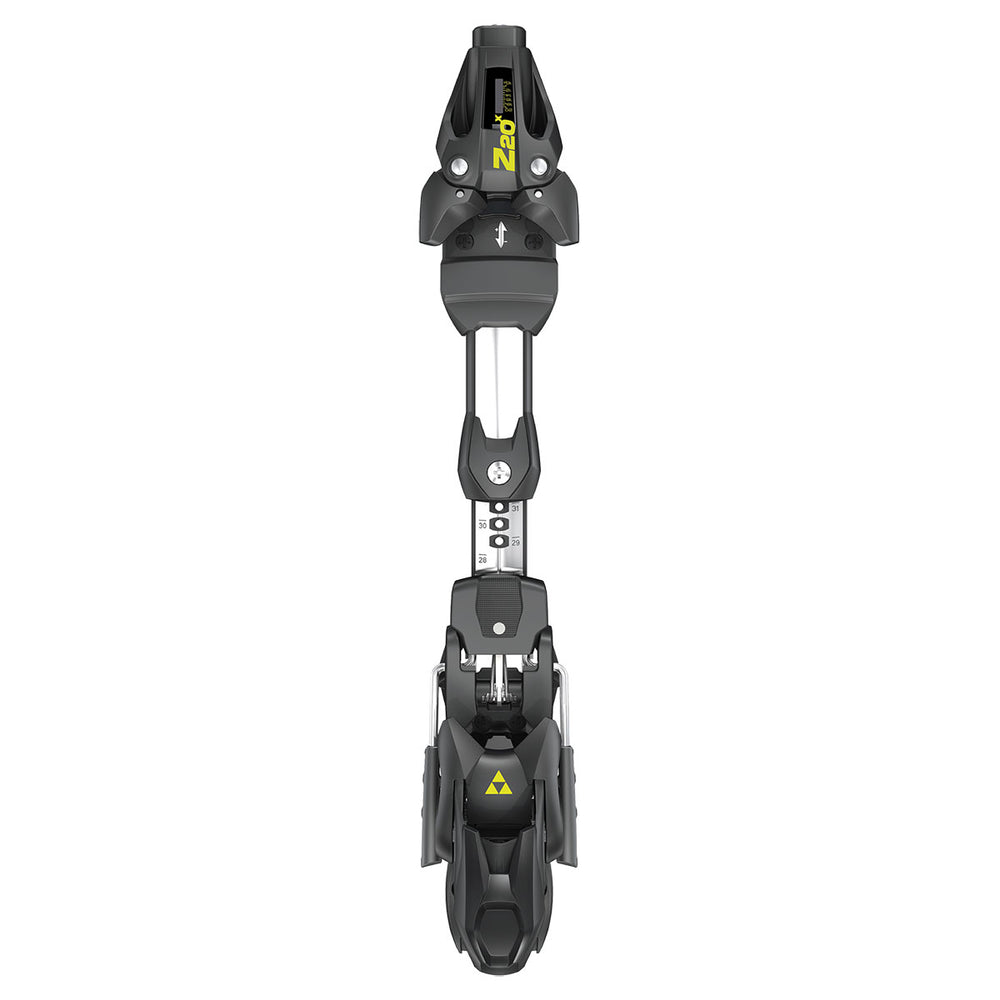
Race ski bindings built for World Cup performance, the Fischer RC4 Race Bindings deliver precise power transfer, consistent release, and race-proven control. Designed for SL, GS, and speed disciplines, the RC4 lineup keeps you connected to the ski while allowing it to flex naturally through every turn.
At the core is Freeflex Pro, which allows the ski to flex freely under the binding for smoother energy transfer and better edge hold. Combined with FRP technology and a diagonal release system, these bindings provide a stable, responsive feel with reliable safety at speed.
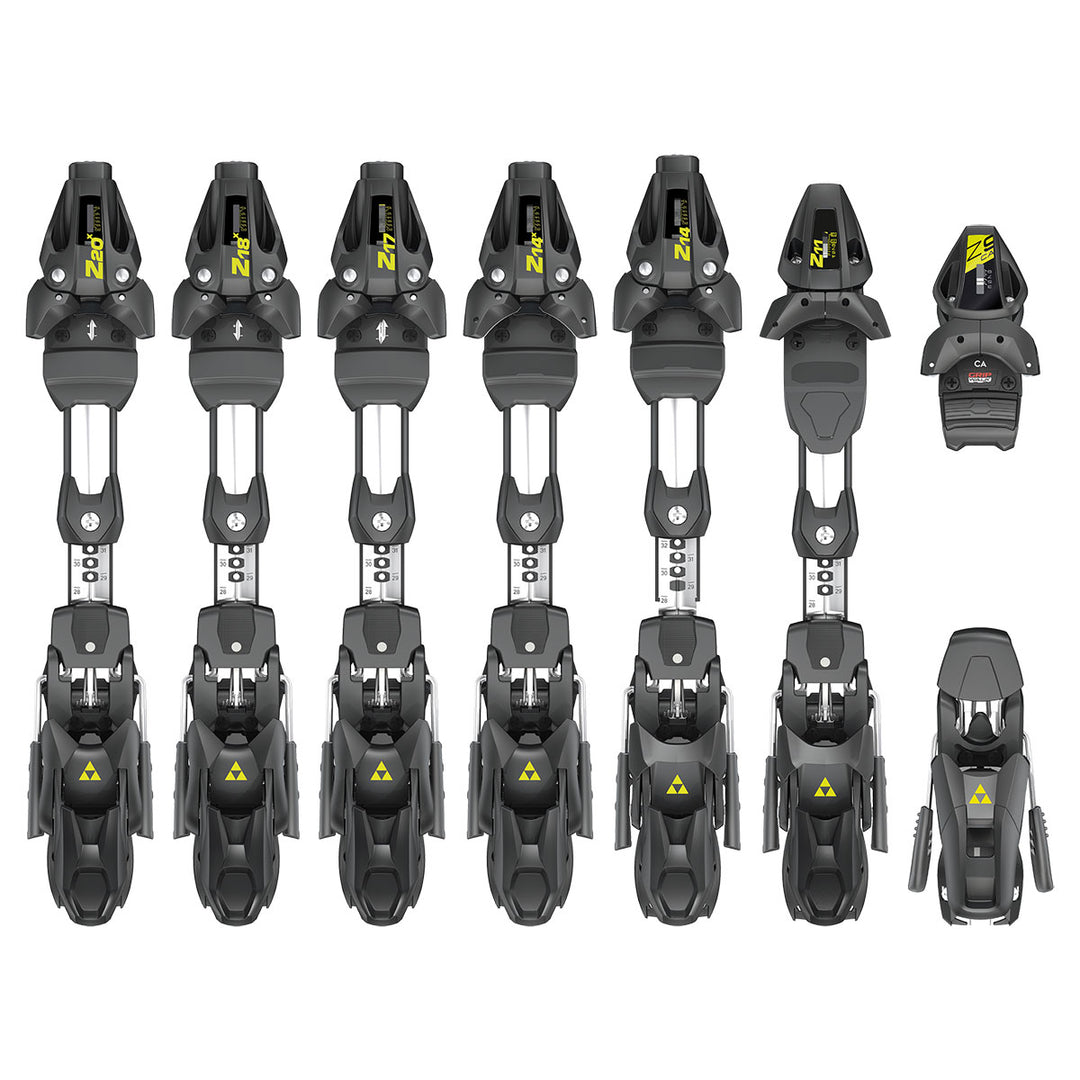
From elite racers to juniors progressing through the ranks, the RC4 series offers a full range of DIN options. Each model is tuned for specific skier weights and performance levels, delivering confidence on hard, icy race surfaces.
| Model | DIN Range | Height (mm) | Brake | Tech | Best For |
|---|---|---|---|---|---|
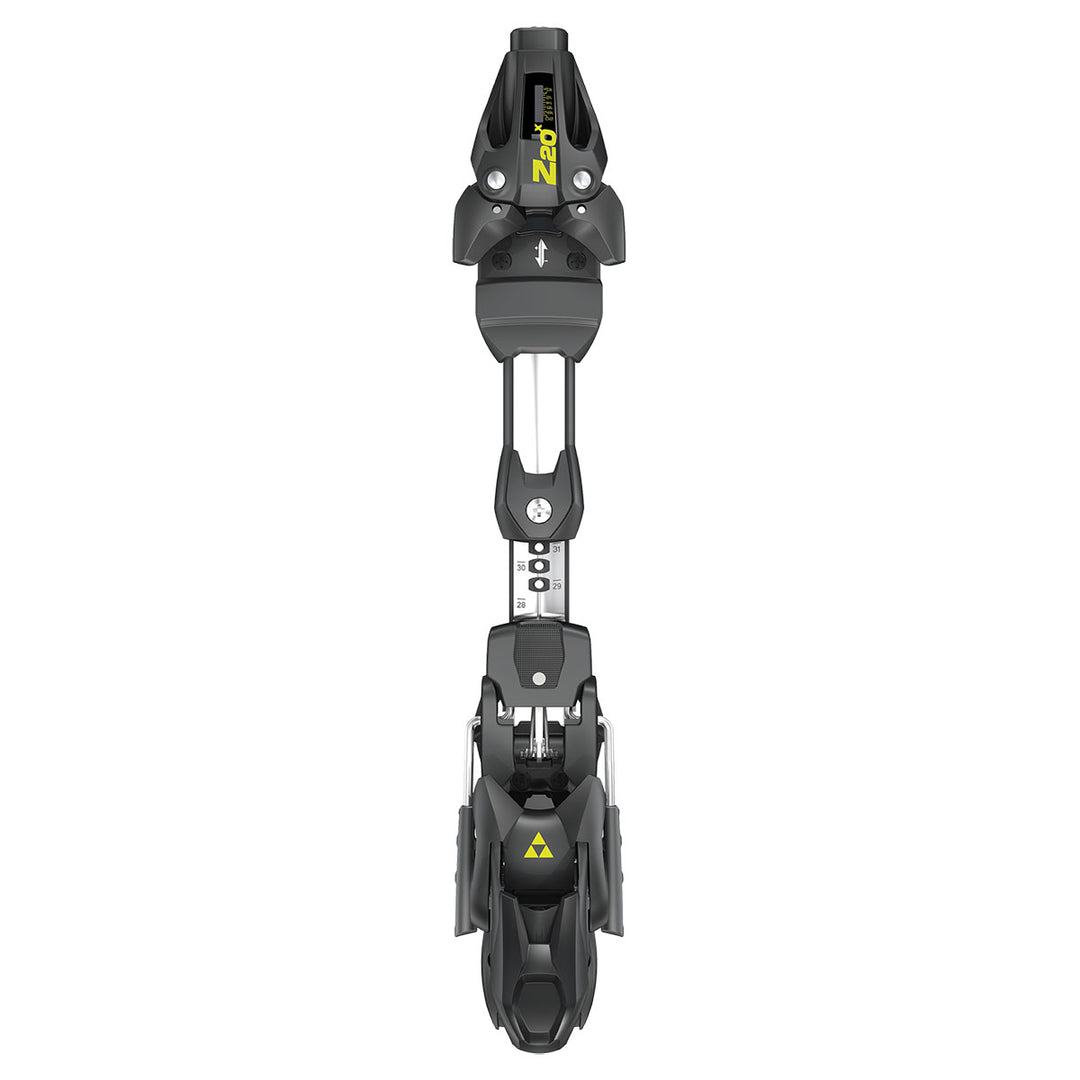
| Z20 X RS Freeflex | 10.5–20 | 12.5 / 16 | 85 mm | Freeflex Pro, FRP | Elite racers, SG/DH |
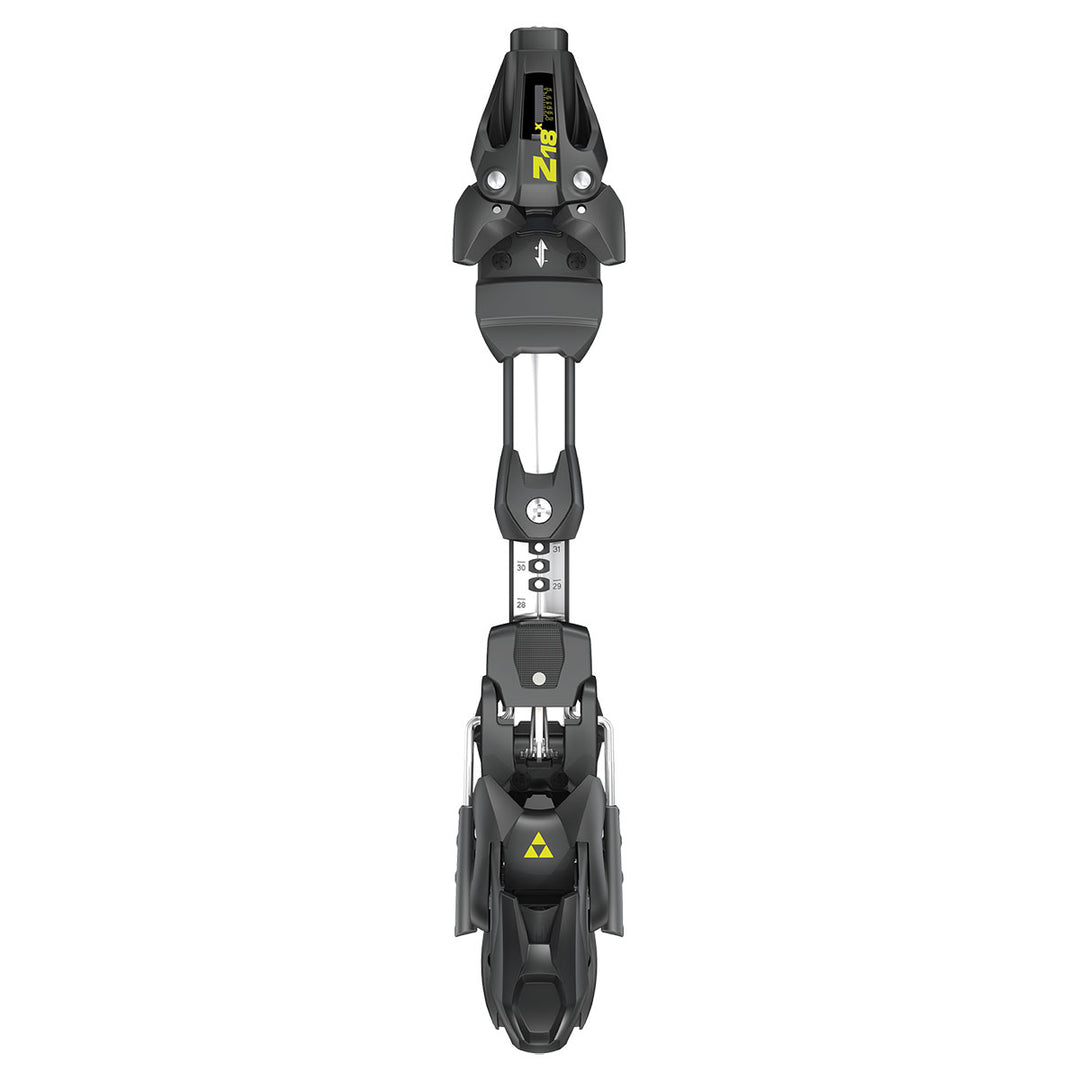
| Z18 X RD Freeflex | 10.5–18 | 12.5 / 16 | 85 mm | Freeflex Pro, FRP | FIS-level SL/GS racers |
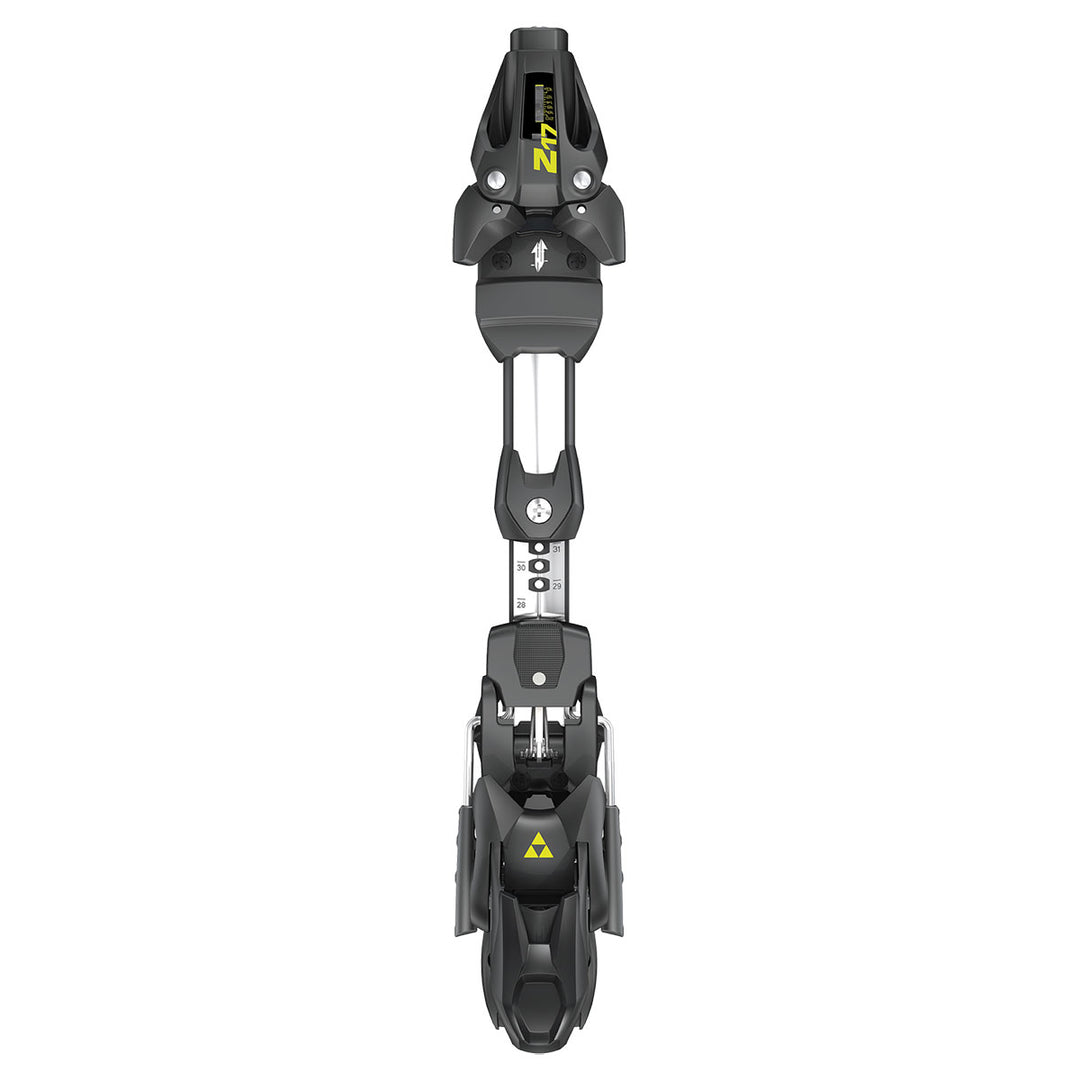
| Z17 Freeflex | 6–17 | 12.5 / 16 | 85 mm | Freeflex Pro, FRP | Advanced racers, masters |
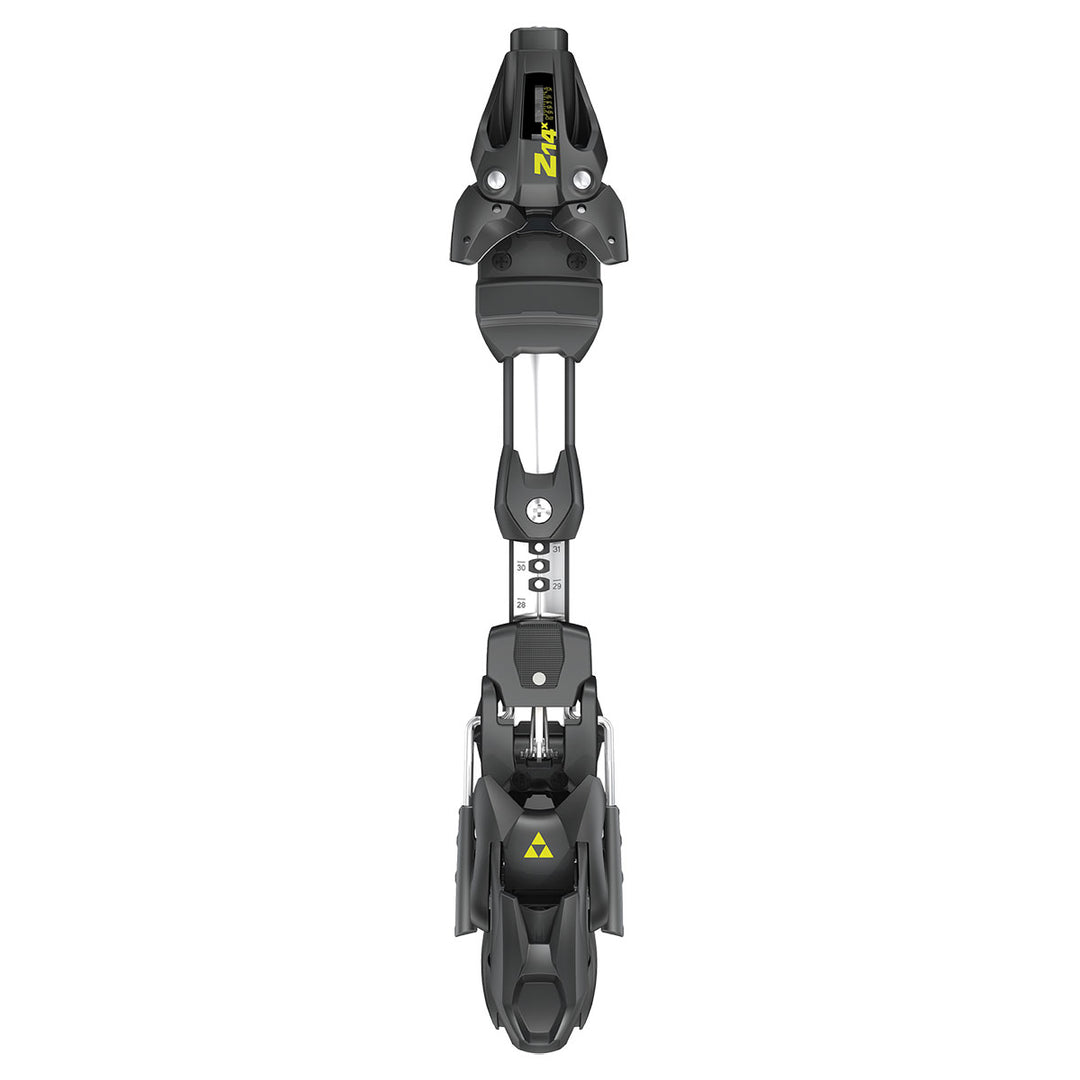
| Z14 X Freeflex | 7–14 | 12.5 / 16 | 85 mm | Freeflex Pro, FRP | Junior and progressing racers |
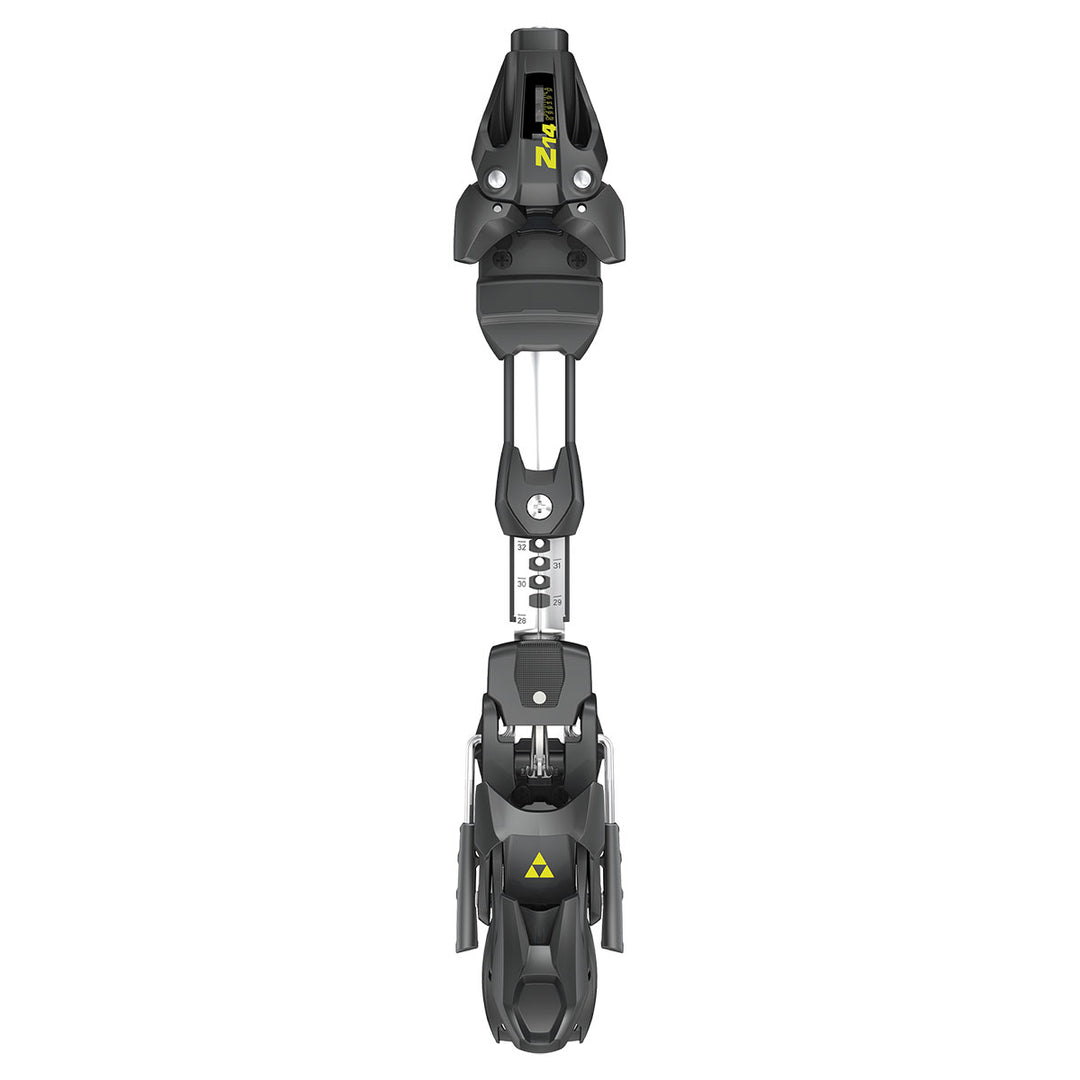
| Z14 Freeflex | 4–14 | 12.5 / 16 | 85 mm | Freeflex Pro, FRP | Junior to advanced racers |
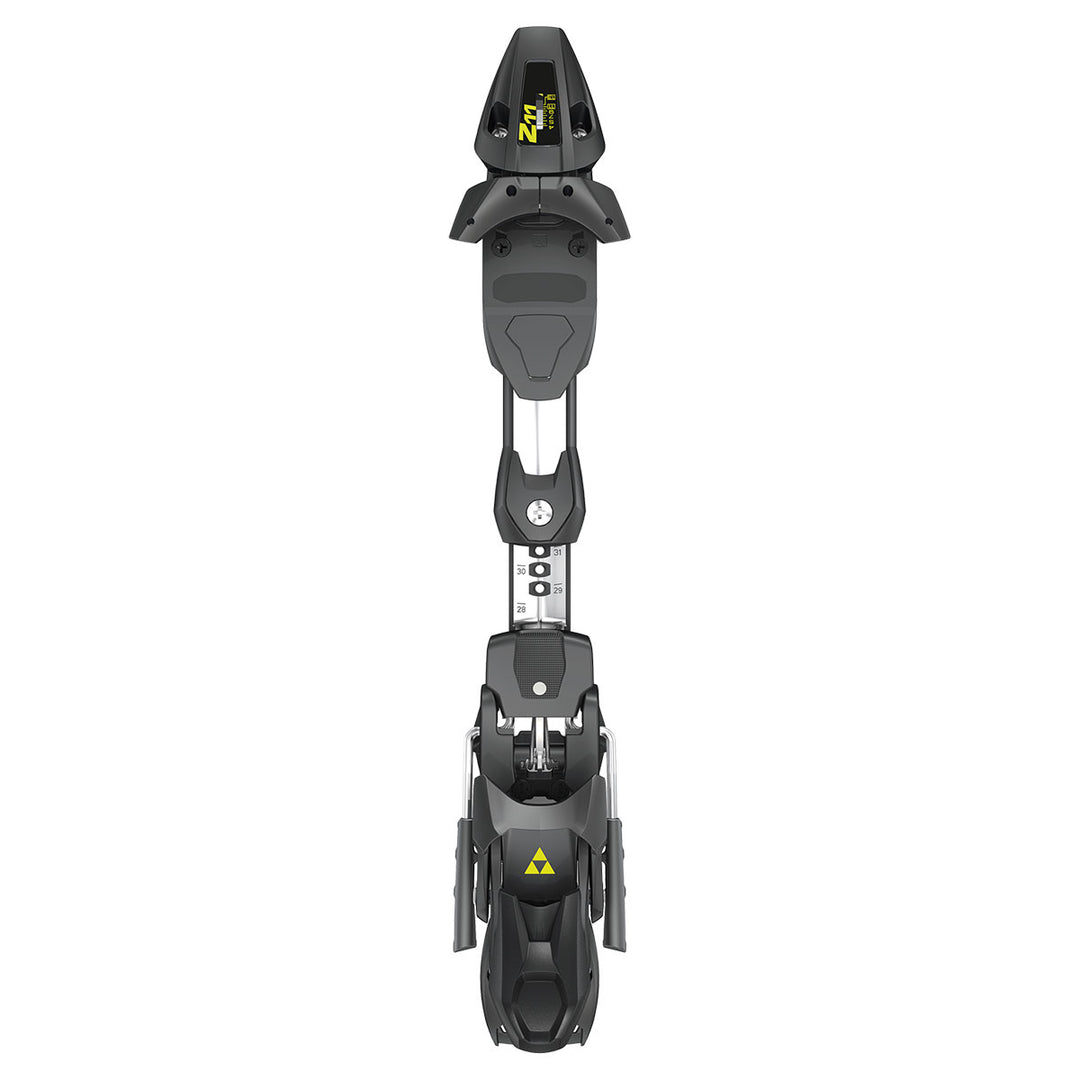
| Z11 Freeflex | 3–11 | 12 / 16 | 85 mm | Freeflex Pro, Full Diagonal Toe | Youth and lighter racers |
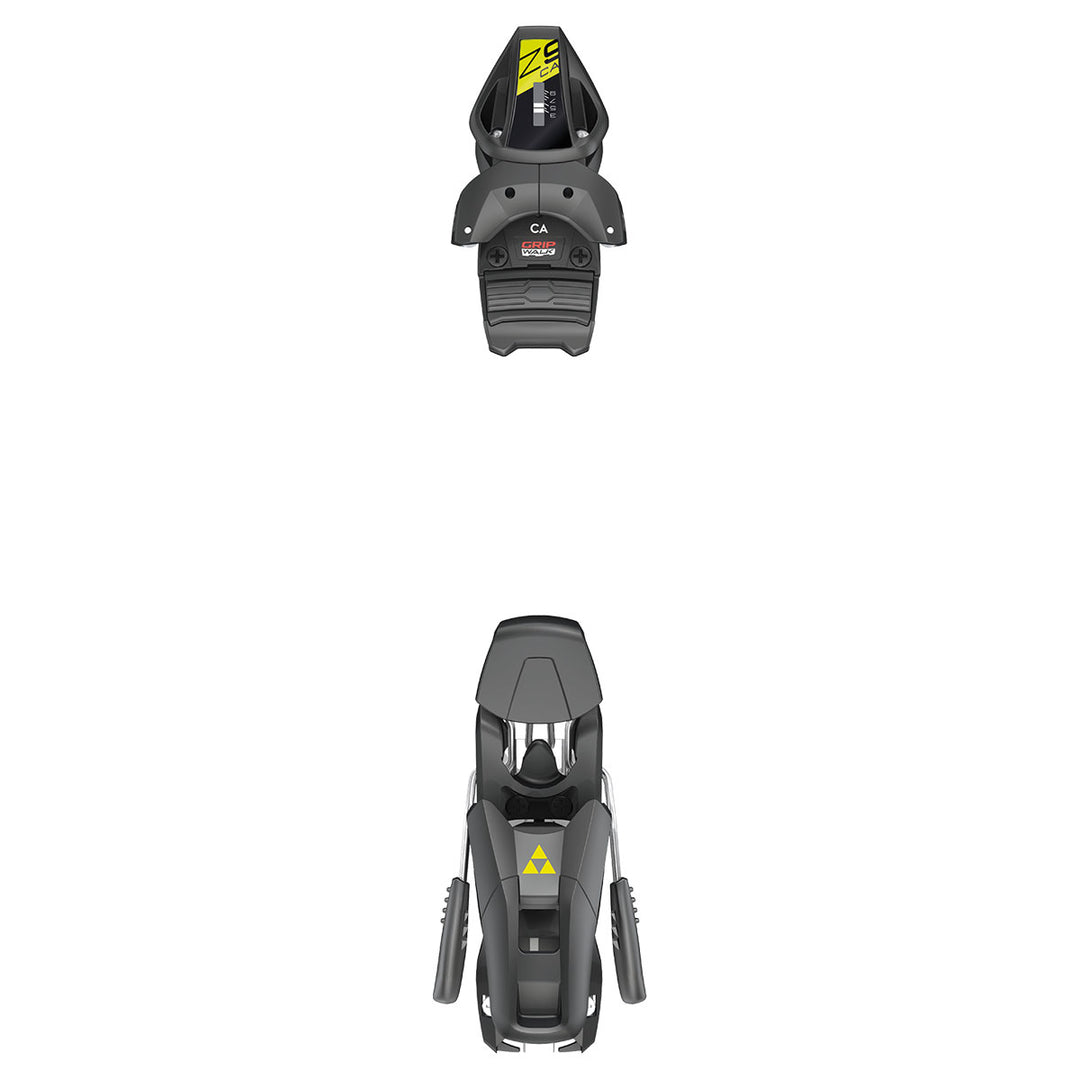
| Z9 GW CA | 2–9 | 18 / 21 | 78 mm | Full Diagonal Toe, GripWalk | Junior racers, GripWalk compatibility |
A freely suspended heel allows the ski to flex naturally under the binding. This improves edge grip, ski control, and overall responsiveness through the turn.
Four rollers and glide inserts enhance elasticity and optimize release characteristics. This helps maintain consistent performance under varying loads and conditions.
Provides 180° release in multiple fall directions to help reduce stress on ligaments, especially in the knee.
Features a 150° release arc to reduce forward twisting release forces while maintaining strong retention during aggressive skiing.
Ensures smooth, consistent release by minimizing friction from snow, ice, and debris under the boot.