

Description & Features
SHRED. Simplify Replacement Lenses help ski racers maintain clear terrain definition as light conditions change throughout training and race day. Choose a lens for night racing, flat light, variable winter conditions, or bright sun, then swap it into your Simplify goggles without tools. CBL™ and CBL™ 2.0 options enhance snow contrast and control glare to make terrain changes easier to see at speed.
Ultra-precision molded cylindrical double-lens construction provides sharp optics across your field of view, while every Simplify replacement lens includes 100% UVA, UVB, and UVC protection, a Super Anti-Fog inner lens, and a durable Hard-Coat outer treatment. Select models also feature NODISTORTION™ to maintain precise optics as altitude and atmospheric pressure change.Key Features
- Replacement cylindrical double lenses designed specifically for SHRED. Simplify goggles
- Available lens options cover night, low light, variable daylight, and bright sun
- CBL™ and CBL™ 2.0 options enhance snow contrast and help control distracting glare
- Ultra-precision molded construction provides sharp vision across the lens
- NODISTORTION™ maintains precise optics as altitude and atmospheric pressure change on select models
- Super Anti-Fog inner lens helps maintain clear visibility during training and racing
- Hard-Coat outer treatment improves lens durability
- Tool-free replacement makes it easy to adapt your Simplify goggles
- 100% UVA, UVB, and UVC protection
- Includes a SHRED. soft lens case for storage and transport
Specs
- Use: Replacement & Specialty Lens for Ski Racing & Training
- Compatibility: SHRED. Simplify Goggles Only
- Lens Shape: Cylindrical
- Lens Construction: Ultra-Precision Molded Polycarbonate/Acetate Double Lens
- Contrast Technology: CBL™ or CBL™ 2.0 on Select Models
- Optical Technology: NODISTORTION™ on Select Models
- Anti-Fog: Super Anti-Fog Inner Lens
- Outer Treatment: Hard-Coat
- UV Protection: 100% UVA / UVB / UVC
- Included: 1 SHRED. Simplify Replacement Lens & Soft Lens Case
SHRED. Simplify Lens Guide
Choose your Simplify replacement lens based on the light conditions you expect on the mountain. Higher VLT lenses allow more light through for darker conditions, while lower VLT lenses reduce transmission for brighter conditions. CBL™ and CBL™ 2.0 lenses also enhance contrast and manage glare to improve terrain definition.
| Lens | Weather | VLT | Recommended Use |
|---|---|---|---|
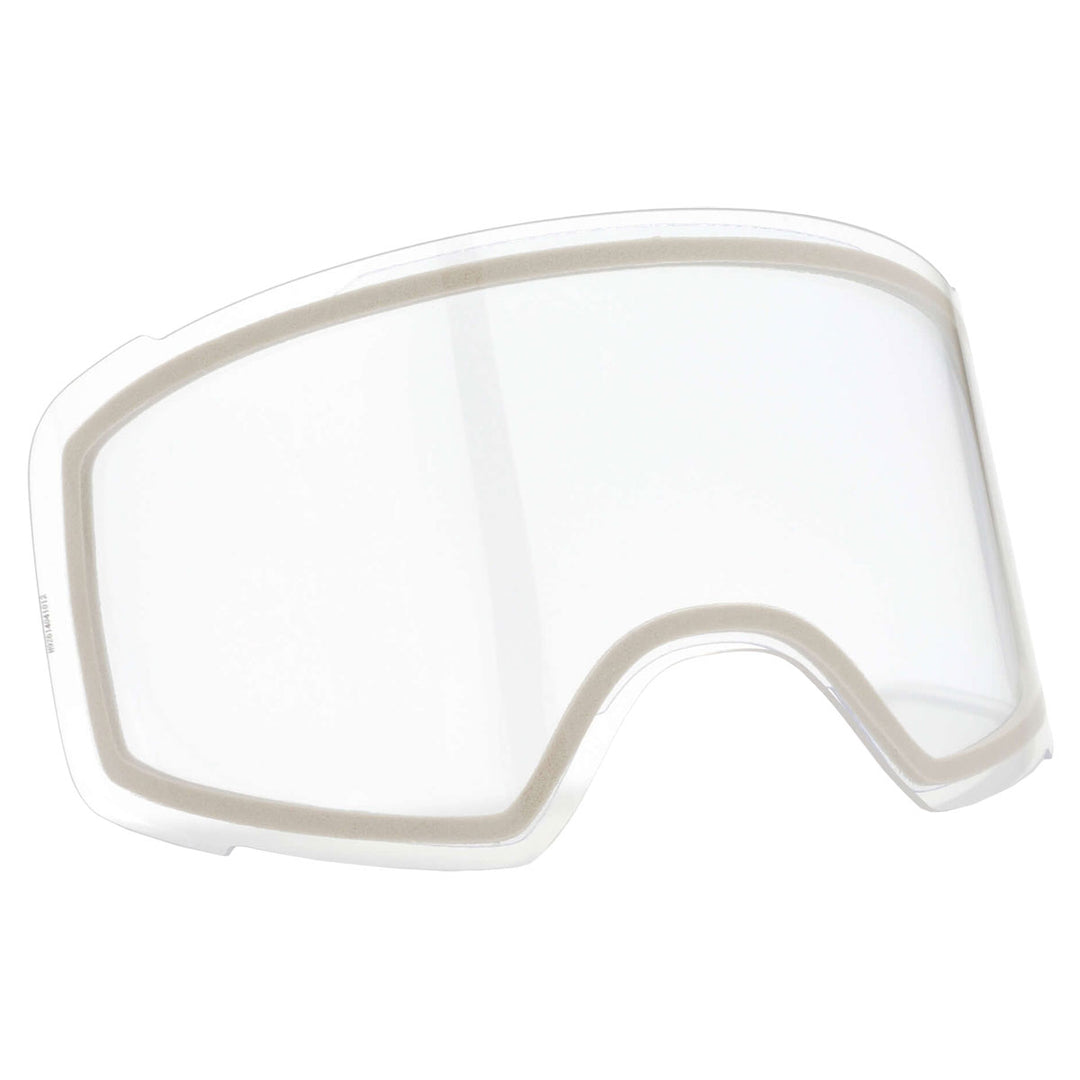
| Clear | Night / Very Low Light | 81% | Night racing, artificial light & extremely dark conditions |
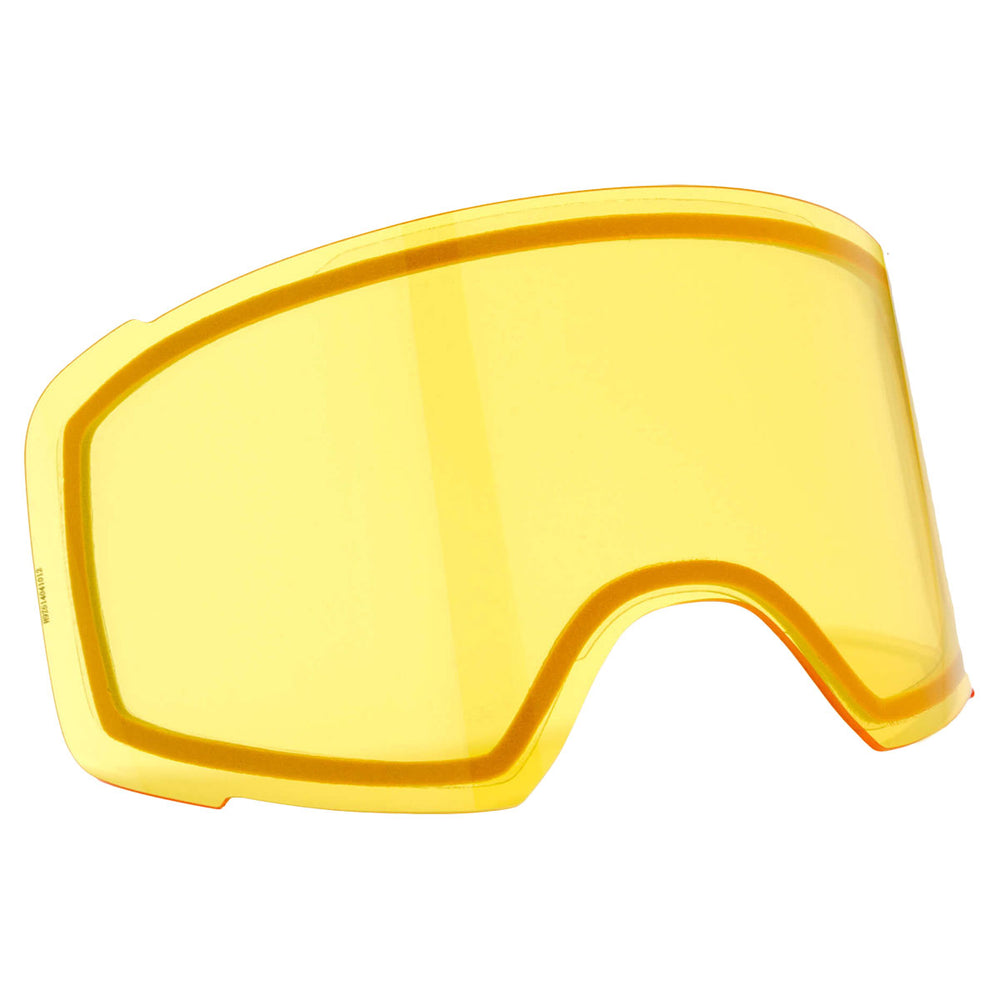
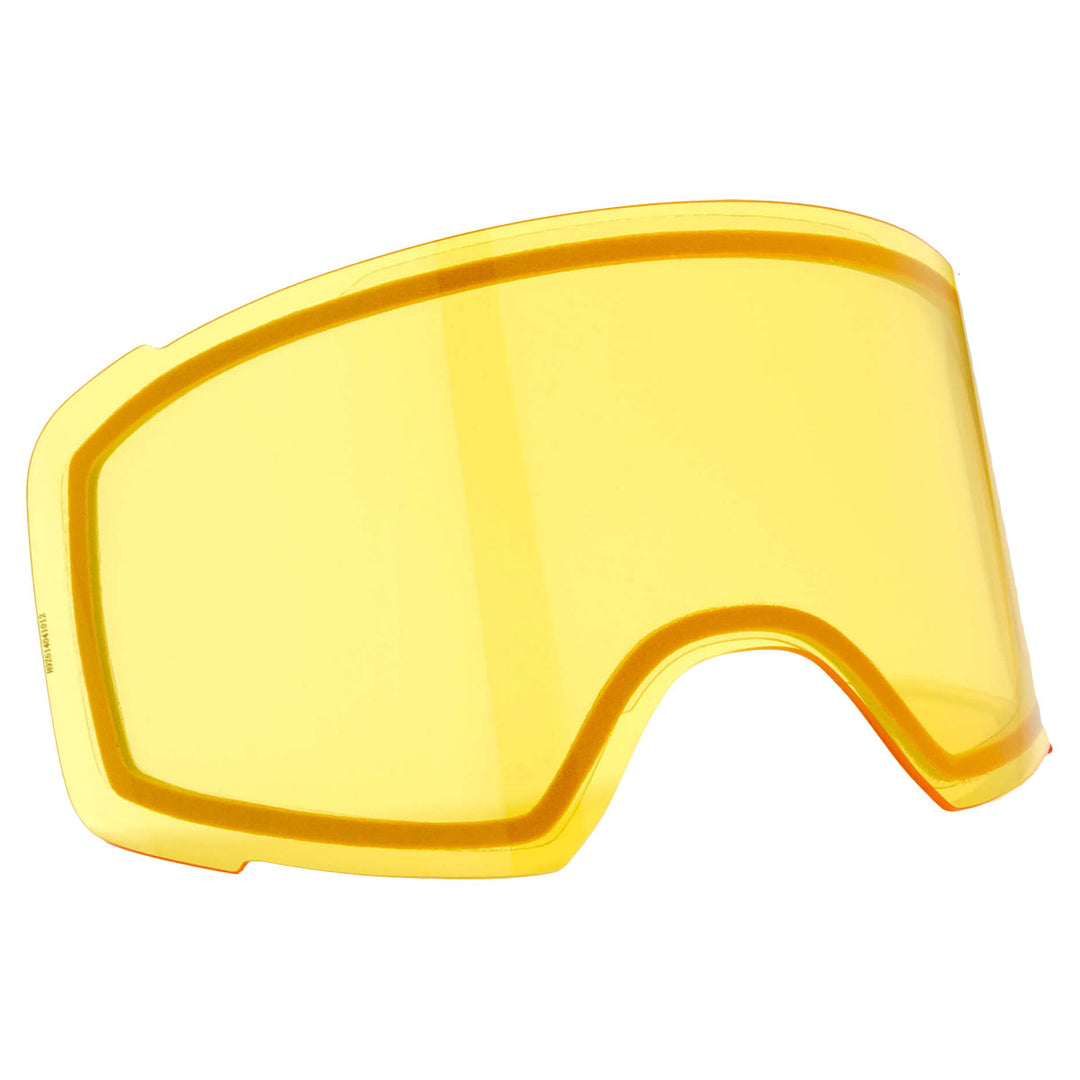
| Yellow | Snow / Fog / Flat Light | 72% | Snowfall, fog, overcast skies & flat light |
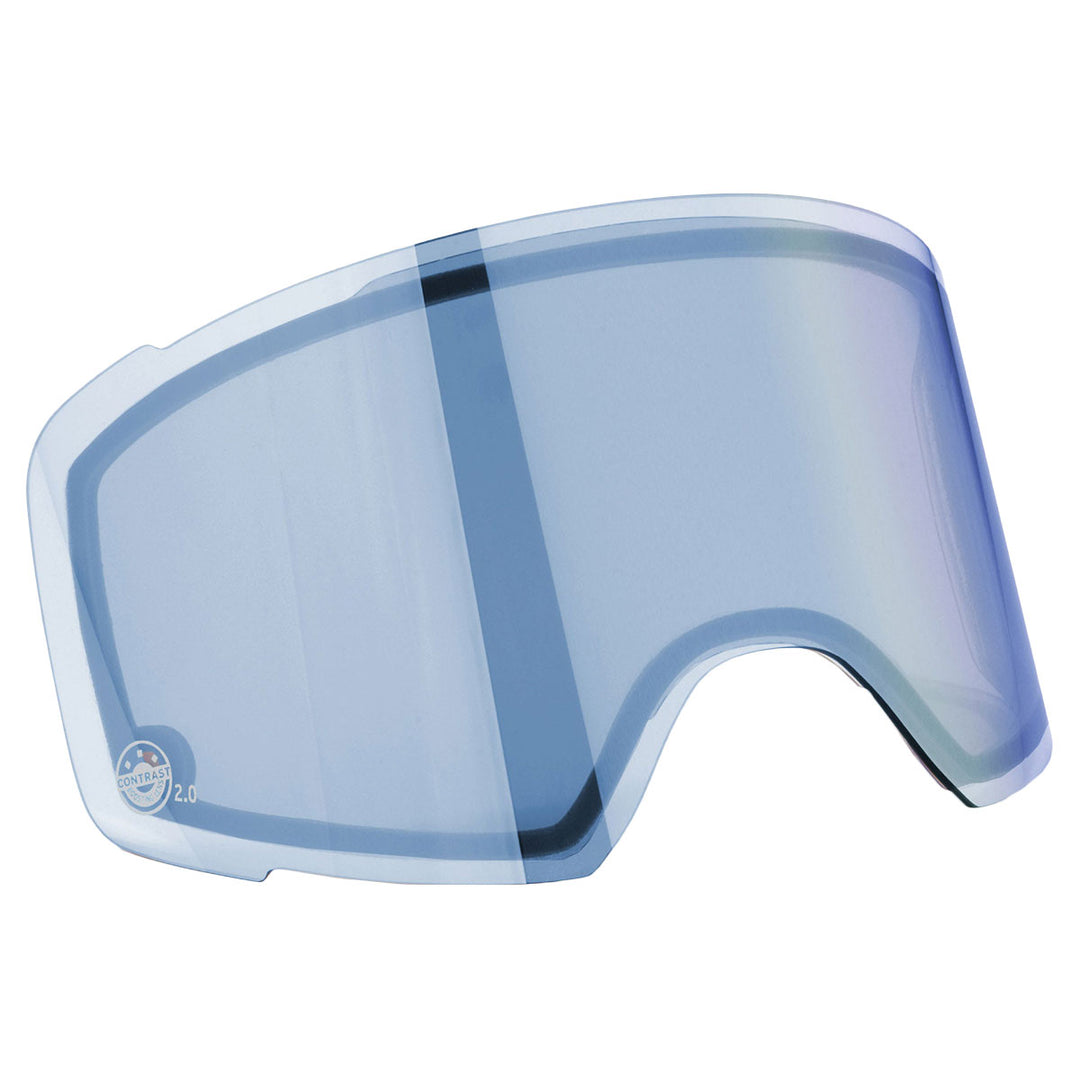
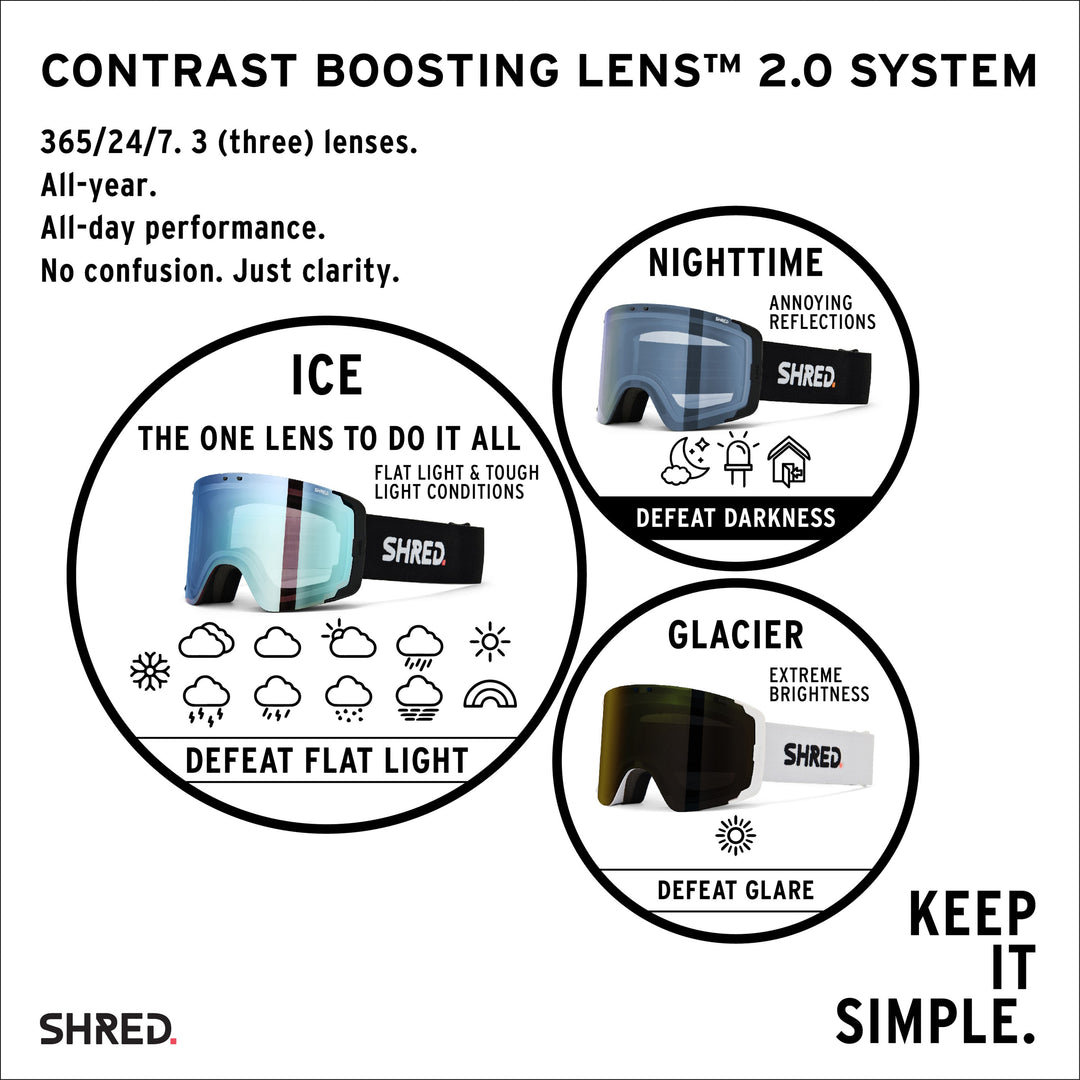
| CBL™ 2.0 NIGHTTIME | Night / Low Light | 43% | Night racing, artificial light, dusk & dawn |
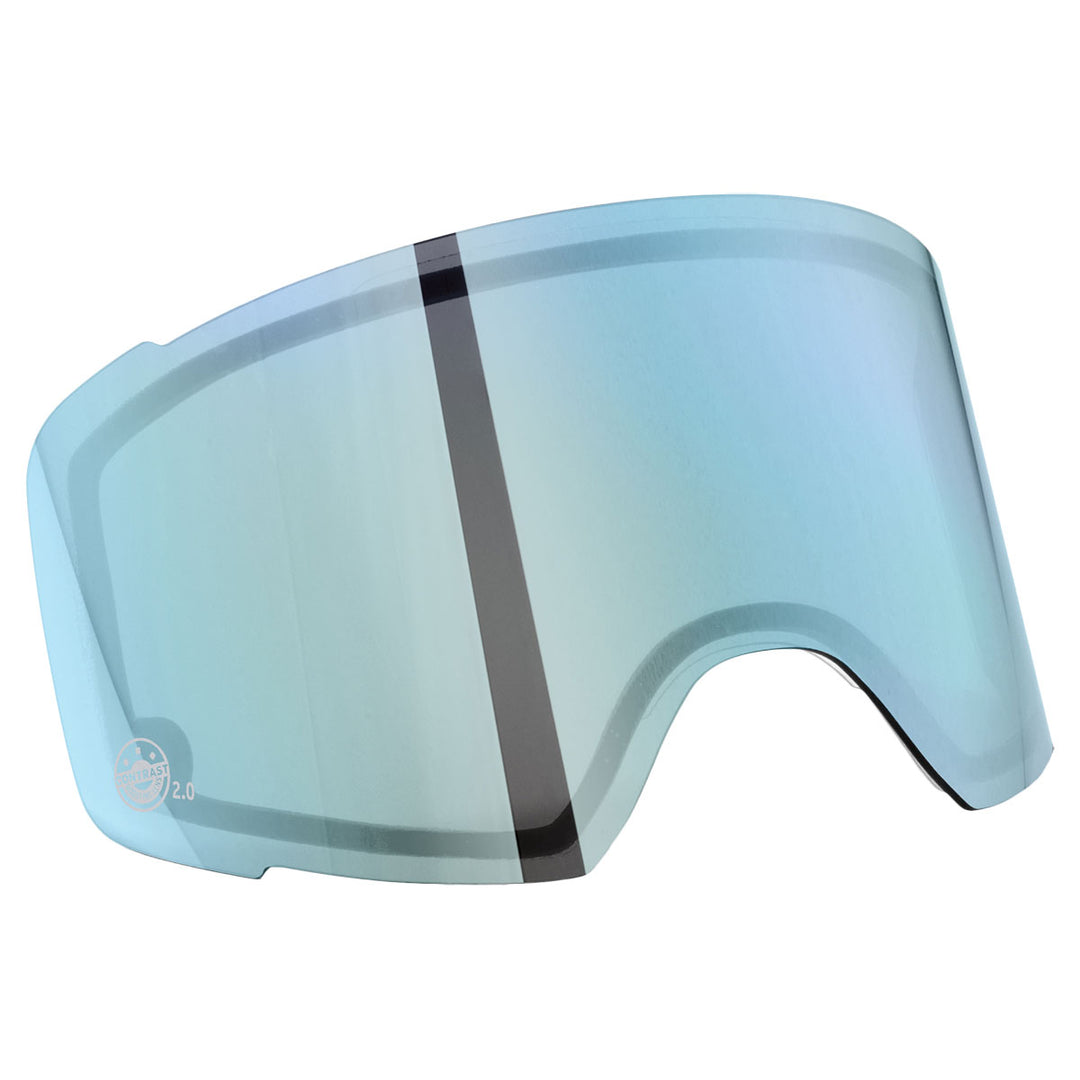
| CBL™ 2.0 ICE | Variable Winter Light | 21% | Sun, clouds, variable light & flat light |
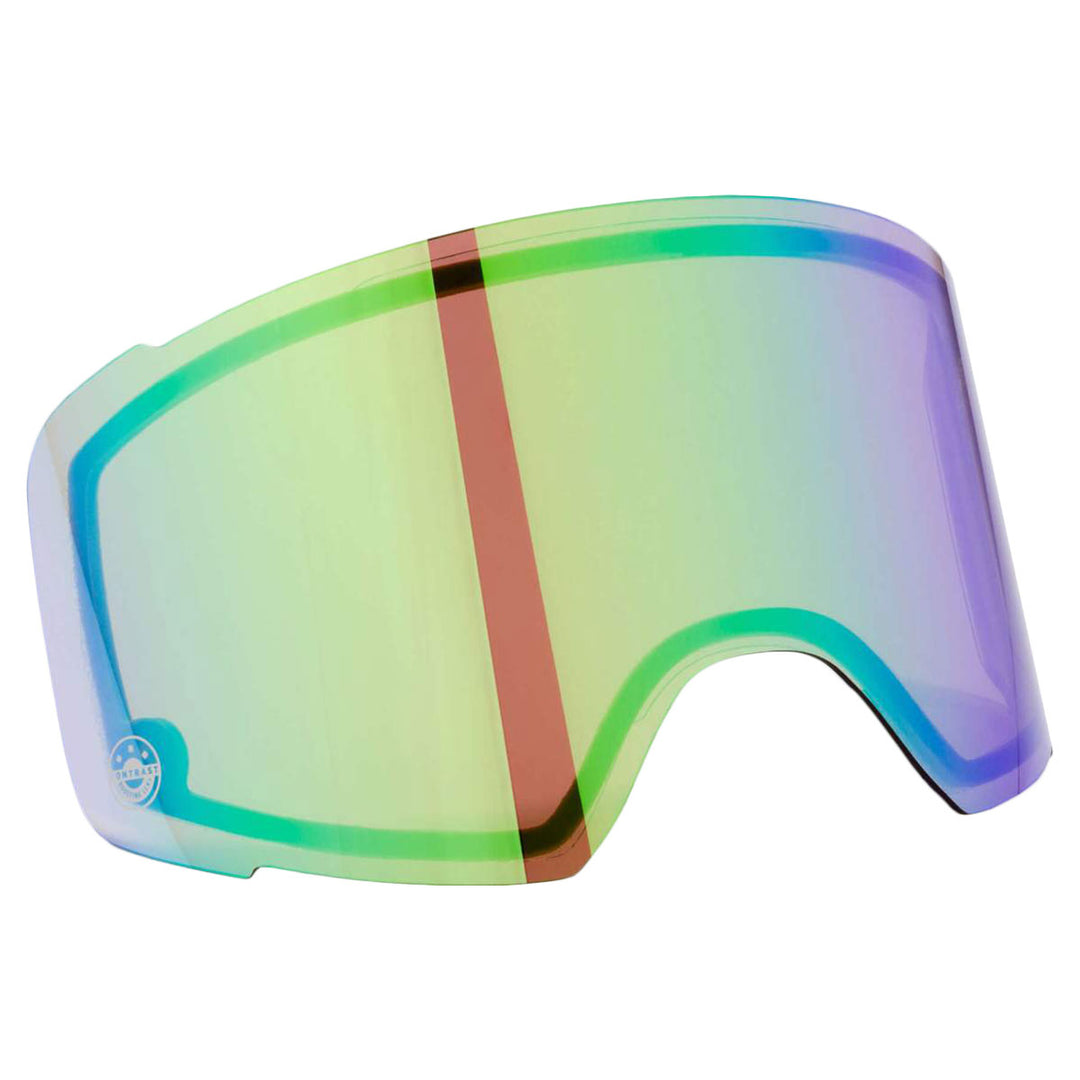
| CBL™ Plasma Mirror | Sunny / Bright | 15% | Bright sun & high-glare conditions |
Race Place Tip: CBL™ 2.0 ICE is the most versatile choice for everyday ski racing and training because it is designed to handle changing winter daylight. Clear and CBL™ 2.0 NIGHTTIME are specialized options for night racing, Yellow increases visibility in dark and flat conditions, and CBL™ Plasma Mirror is best suited to bright sunny days.
Lens Construction & Technology
Contrast Boosting Lens™ (CBL™)
SHRED.'s Contrast Boosting Lens technology enhances snow contrast and terrain definition while helping control distracting glare. Different lens formulations are optimized for varying light conditions.
Contrast Boosting Lens™ 2.0 (CBL™ 2.0)
CBL 2.0 is SHRED.'s latest contrast-enhancing lens technology, designed to improve terrain definition and manage glare across changing winter light. The technology is engineered around how the eye perceives contrast rather than relying on visible light transmission alone.
Cylindrical Optics
The cylindrical lens curves across your face while maintaining a flatter vertical profile. Ultra-precision molded construction with tapered thickness provides sharp vision across your field of view while enhancing impact resistance.
NODISTORTION™
NODISTORTION uses a semi-permeable valve to balance pressure between the double-lens chamber and outside air as altitude and weather change. This helps prevent lens warping and maintain precise optics.
Super Anti-Fog Inner Lens
The Super Anti-Fog inner lens resists moisture buildup, helping you maintain clear vision during hard training, course inspection, and racing.
Hard-Coat Outer Lens
A durable Hard-Coat treatment protects the outer lens against scratches and everyday wear, helping maintain clear vision throughout the ski season.